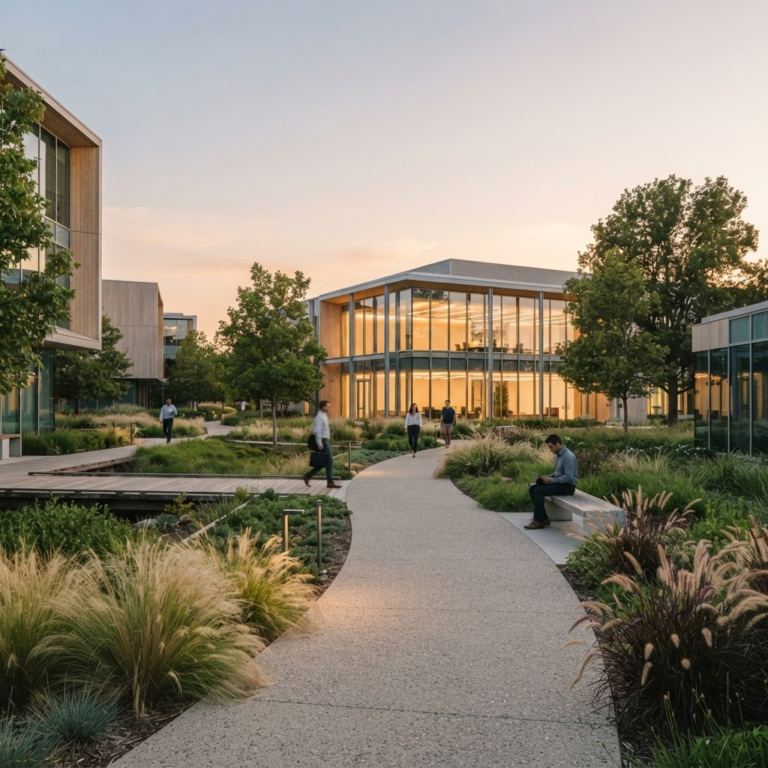

Exploring how AI is reshaping industries and society at large.
Artificial Intelligence is no longer a speculative concept confined to science fiction; it is the fundamental infrastructure of our immediate future. As we transition from narrow, task-specific algorithms to robust, generative models, the ripple effects are being felt across every major sector of the global economy.
Revolutionizing Healthcare and Research Perhaps the most profound impact of AI is in the life sciences. Machine learning algorithms are currently analyzing vast genomic datasets to identify disease markers in a fraction of the time it would take human researchers. Predictive modeling is not only accelerating drug discovery but also enabling hyper-personalized treatment plans, ultimately shifting healthcare from reactive to proactive.
The Creative Renaissance In the creative industries, generative AI has democratized content production. From hyper-realistic image generation to cinematic video rendering and automated web design, AI tools are acting as powerful collaborators. Rather than replacing human creativity, these tools are lowering the barrier to entry, allowing designers and artists to iterate at unprecedented speeds and push the boundaries of visual storytelling.
Navigating the Ethical Landscape However, this rapid integration is not without friction. As AI reshapes the workforce by automating routine tasks, society faces a pressing need for massive reskilling initiatives. Furthermore, questions surrounding data privacy, algorithmic bias, and intellectual property remain largely unresolved. The true future of AI will not be determined solely by compute power, but by our ability to establish ethical frameworks that ensure these technologies augment, rather than exploit, human potential.